Fine Arts Instructor
Resume Sample
A real resume example showing how we transform teaching versatility into proof employers trust
Being qualified isn't enough — you need to be the obvious choice.
We fix your resume with one conversation
What Makes a Strong Fine Arts Instructor Resume?
A Fine Arts Instructor resume must demonstrate mastery across multiple mediums and the ability to adapt teaching to diverse skill levels. Hiring managers look for lesson planning expertise, student engagement strategies, and a strong portfolio. This sample showcases an MFA graduate teaching drawing, watercolour, mixed-media, and more to students from beginner to advanced.
Why Do Fine Arts Instructor Resumes
Get Rejected?
Most fine arts instructor resumes get rejected not because of ATS software, but because they don't prove you're better than the other 37 applicants. Generic bullets like "Taught art classes to students of different ages and skill levels" don't differentiate you — quantified achievements do.
See how we transform generic statements into interview-winning proof:
Tailored courses based on skillset, from beginner, intermediate, to advanced level, ensuring each student's improvement while providing a fun, learning environment."
This bullet demonstrates adaptive instruction—a critical skill for any teaching role. It quantifies class size, specifies the demographic range, and emphasizes individualized attention. The mention of maintaining a "fun learning environment" shows awareness that engagement drives retention.
Style and artwork were primarily focused on Iranian miniature painting and landscape, incorporating dynamic elements/experiences from living in Vancouver."
This bullet shows professional credibility beyond classroom teaching. Residencies signal that peers and institutions recognize your artistic merit. The cross-cultural focus demonstrates the kind of perspective that enriches instruction and helps diverse students connect with art.
Additionally, worked with international students, fostering an inclusive and engaging environment to make them feel secure and empowered as an artist."
This bullet addresses the emotional intelligence required for effective teaching. Art education isn't just technical—it's deeply personal. Highlighting work with international students shows cultural competency and the ability to create psychologically safe learning environments.
How Do Arts Resume Writers Transform a Fine Arts Instructor Resume?
Professional resume writers transform fine arts instructor resumes by analyzing job postings for required keywords, extracting specific achievements through targeted questions, quantifying impact with dollar values and percentages, and positioning you as the solution to employer problems.
We Analyze Fine Arts Instructor Job Postings
We identify exactly what hiring managers search for:
- Core technical skills and domain expertise required
- Leadership and team management expectations
- Industry certifications and compliance standards
- Tools, systems, and methodologies employers mention
We Extract Your Achievements
Our 1-on-1 interview uncovers:
- Specific results and outcomes you've delivered
- Team sizes and stakeholders you've managed
- Problems you've solved that others couldn't
- Metrics you didn't think to track or quantify
We Quantify Your Impact
We find the numbers that prove ROI:
- Revenue generated, costs saved, or budgets managed
- Percentage improvements in efficiency or quality
- Scale of operations, projects, or portfolios
- Time saved or deadlines consistently met
We Position You as the Solution
Your resume proves you solve employer problems:
- Delivering results under pressure and tight deadlines
- Leading teams and managing cross-functional stakeholders
- Driving improvements in processes and outcomes
- Bringing specialized expertise competitors lack
Listen to a Real Resume Interview
Hear how our writers extract achievements through thoughtful questioning.
What Does a Fine Arts Instructor Resume Interview Look Like?
A fine arts instructor resume interview is a conversation where our writer asks targeted questions about your projects, probes for specific details, and extracts achievements you'd never think to include.
Experience working with up to 10 students in small workshop settings and delivering classes to learners with diverse backgrounds and age levels, from teenagers to adults.
Tailored courses based on skillset, from beginner, intermediate, to advanced level, ensuring each student's improvement while providing a fun, learning environment.
Every bullet on this resume was created through this same process.
Schedule Your InterviewHave questions? 1-877-777-6805
Watch How We Transformed Khoi's Resume
See how our interview process uncovered achievements that set candidates apart.
Get Your Resume Transformed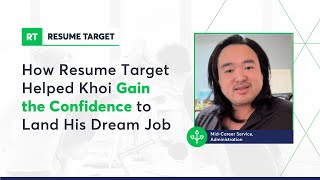
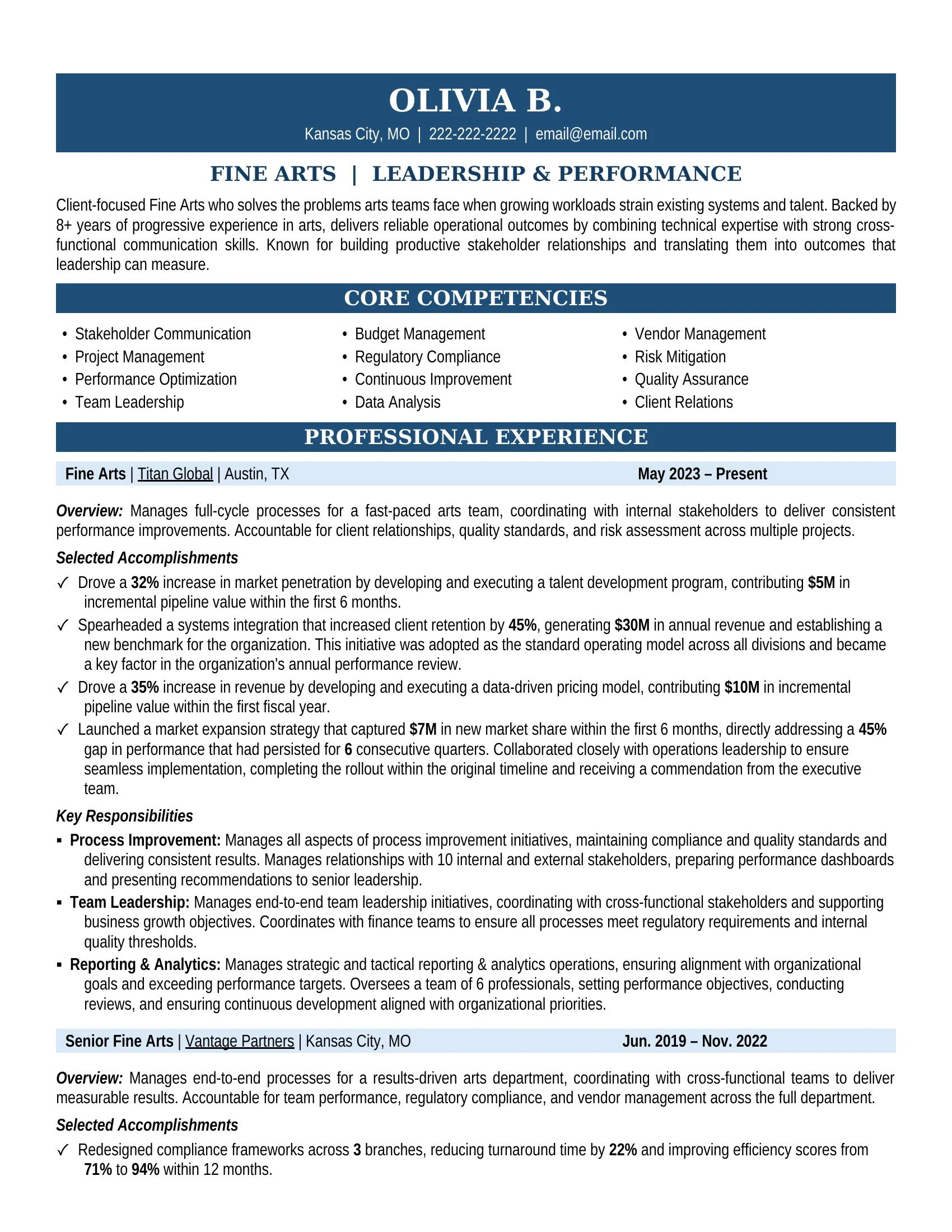
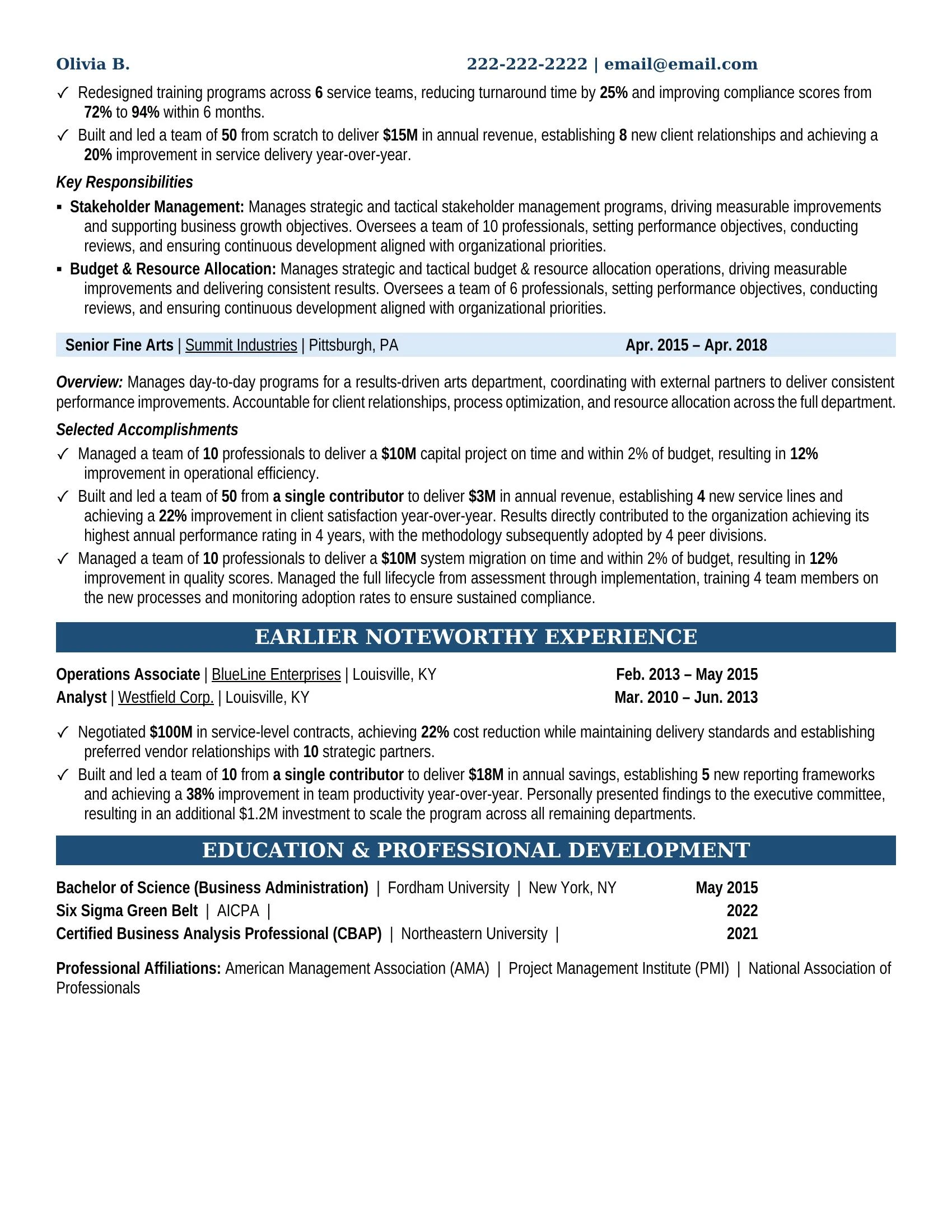
What a Fine Arts Instructor Resume Example That Gets Interviews Looks Like
A complete fine arts instructor resume is typically 2 pages and includes a professional summary, core competencies, detailed work experience with quantified achievements, education, and certifications. Here's both pages of an actual resume created through our interview process.
Which Fine Arts Instructor Resume Example
Do You Need?
The fine arts instructor resume you need depends on your career stage:
Career Advancement
Your resume needs to prove you can design curriculum and manage a classroom, not just create art.
Questions We Ask in Your Interview:
- What teaching or tutoring experience do you have, even informal?
- Which mediums and techniques can you confidently teach to beginners?
What We Highlight on Your Resume:
- Any instructional or mentorship experience
- Range of artistic techniques mastered
- Student interaction and support examples
Senior Transition
Your resume needs to show curriculum innovation, program development, and measurable student outcomes.
Questions We Ask in Your Interview:
- What courses or programs have you developed from scratch?
- How have you adapted instruction for different learning needs?
What We Highlight on Your Resume:
- Curriculum development achievements
- Student success stories and outcomes
- Program innovation and growth
How Do You Write a Fine Arts Instructor Resume That Gets Interviews?
To write a fine arts instructor resume that gets interviews, focus on four key sections:
- Professional Summary — highlighting your experience level and specialty areas
- Skills Section — matching keywords from your target job postings
- Work Experience — quantified achievements using the Problem-Solution-Result format
- Credentials — relevant certifications and education
Generic resume advice doesn't address what art programs actually need: proof that you can teach technique, inspire creativity, AND manage a studio environment. We interview you to extract the specific achievements that demonstrate all three.
What Should a Fine Arts Instructor Put in Their Professional Summary?
Your summary must immediately convey what you teach and how you teach it. Hiring managers need to see alignment with their program's focus within seconds.
Include your degree level, years of teaching experience, primary mediums, and your teaching philosophy or approach. Signal whether you specialize in traditional techniques, contemporary methods, or interdisciplinary work.
For those transitioning from studio practice to instruction...
Expert Questions We Ask:
- "What informal teaching, mentoring, or workshop experience do you have?"
- "Which of your artistic skills translate most directly to classroom instruction?"
For experienced instructors seeking advancement...
Expert Questions We Ask:
- "What signature courses or programs have you developed?"
- "How has your teaching methodology evolved over time?"
What Skills Should a Fine Arts Instructor Highlight?
Skills must balance artistic competency with pedagogical ability. Schools need teachers who can both create and explain.
Lead with lesson plan development, adaptive instruction, and specific mediums. Include assessment methods, student relations, and any digital tools you use for instruction or administration.
Foundational skills open teaching opportunities...
Expert Questions We Ask:
- "Which artistic techniques can you break down for beginners?"
- "What experience do you have with classroom or workshop management?"
Advanced skills differentiate senior instructors...
Expert Questions We Ask:
- "What curriculum development experience do you have?"
- "How do you assess and track student progress?"
How Should a Fine Arts Instructor Describe Their Experience?
Numbers matter. How many students? How long were courses? What range of abilities did you accommodate? Specific details prove you've actually run programs.
Lead with course specifics—session count, hours, skill levels addressed. Include student outcomes and any adaptive teaching strategies. Separate your teaching work from independent artistic practice.
Any teaching-adjacent experience counts...
Expert Questions We Ask:
- "Have you led workshops, tutored, or mentored other artists?"
- "What studio assistant or support roles have you held?"
Demonstrate instructional leadership...
Expert Questions We Ask:
- "What courses have you designed and delivered independently?"
- "How have you adapted instruction for different learner needs?"
What Education Matters for Fine Arts Instructors?
Degrees establish credibility, but ongoing professional development shows commitment to growth—both as an artist and educator.
List your MFA or BFA with concentration area. Include relevant teaching certifications or professional development. Mention significant workshops, residencies, or continuing education.
Your degree is your entry point...
Expert Questions We Ask:
- "What was your concentration or thesis focus?"
- "What teaching practicums or assistantships did you complete?"
Continuing education enhances credentials...
Expert Questions We Ask:
- "What workshops or masterclasses have you attended recently?"
- "Have you completed any art education-specific training?"
Skip the guesswork — let our expert resume writers ask these questions for you.
Schedule Your Resume InterviewHow Does a Resume Interview Extract
Your Fine Arts Instructor Achievements?
A professional resume interview extracts fine arts instructor achievements by probing into specific projects, uncovering the goals you were trying to achieve, documenting the systems and processes you implemented, and surfacing challenges you overcame.
What Projects Should You Include
on a Fine Arts Instructor Resume?
Include projects that demonstrate scope, stakes, and significance. We probe to understand the project value, team size, and your specific role.
How Do You Show Business Impact
on a Resume?
Connect your work to business outcomes by documenting the company's objectives and how your contributions achieved them.
What Systems and Processes
Should You Highlight?
Document the specific systems, processes, and strategies you implemented. This is where your expertise becomes visible.
How Do You Present
Challenges Overcome?
Describe challenges you faced and how you solved them. Problem-solving examples prove you can handle obstacles.
The Power of a 1-on-1 Resume Interview
No cookie-cutter calls. Your interview length matches your career complexity. We ask the questions you can't ask yourself.
Telephone Interview
- Students / New Grads
- Specialists, Analysts, Coordinators
- Targeting mid-level positions
Telephone Interview
- Individual Contributors
- Managers
- Career Changers
- Seeking Promotions
- Masters / Ph.D Holders
Telephone Interview
- Senior Managers
- Directors
- Department Heads
- Senior Writer Assigned
Telephone Interview
- Vice Presidents
- C-Suite Executives
- Business Owners
- Senior Writer Assigned
- Executive Resume Format
How Competitive Is the
Fine Arts Instructor Job Market?
Fine Arts Instructor jobs are lowly competitive, averaging 38 applicants per position. With most job seekers applying to 20+ roles, you're competing against approximately 760 candidates for the same jobs.
Fine Arts Instructor Job
Jobs Posted (30 Days)
Per 20 Applications
Here's the math most job seekers don't do:
Your resume needs to stand out against 760 other arts professionals.
Most of them list the same projects. The same certifications. The same responsibilities.
What makes you different is the story behind the projects.
Arts Professionals We've Helped Are Now Working At
Our clients land roles at leading arts organizations across North America.
Reach Arts's Hidden Job Market
80% of arts positions are never advertised. Get your resume directly into the hands of recruiters filling confidential searches.
Arts Recruiter Network
When you purchase our Resume Distribution service, your resume goes to 85+ recruiters specializing in arts — included in Advanced & Ultimate packages.
Arts Education Recruiters
New York, NY
Creative Talent Partners
Los Angeles, CA
Sample Arts Recruiters
85+ Total| Agency | Location |
|---|---|
AE Arts Education Recruiters |
New York, NY |
CT Creative Talent Partners |
Los Angeles, CA |
ES Education Staffing Group |
Chicago, IL |
Frequently Asked Questions About
Fine Arts Instructor Resumes
A Fine Arts Instructor resume should highlight your educational credentials (MFA preferred), teaching experience across different settings, and range of mediums you can teach. Include specific course types you've developed, student populations you've worked with, and any professional artistic achievements like exhibitions or residencies. This sample demonstrates instruction in drawing, watercolour, mixed-media, and acrylic painting.
Fine Arts Instructor positions typically see 35-45 applicants per opening, with competition higher at established institutions. Community arts centers and private studios often have less competition than university positions. Candidates who can teach multiple mediums and adapt to diverse skill levels have significant advantages in this market.
While not always required, an MFA significantly improves competitiveness, especially for college-level positions. Community programs and private studios may accept a BFA with teaching experience. This resume features both an MFA in Interdisciplinary Arts and BFA in Painting—credentials that open doors across multiple teaching contexts.
Demonstrate teaching ability through specific course descriptions, student outcomes, and adaptive instruction examples. Instead of "taught art classes," specify the mediums, session structures, and skill levels addressed. This sample shows eight-session courses covering fundamentals through advanced techniques for students ranging from teenagers to adults.
Yes—professional artistic practice validates your teaching. Include exhibitions, residencies, and commissioned work. This resume highlights a three-month residency at a non-profit gallery and participation in group shows, demonstrating active engagement with the professional art world beyond the classroom.
Beyond artistic mediums, digital proficiency is increasingly important. Adobe Photoshop, Premiere Pro, and InDesign support both instruction and administrative tasks. This candidate lists these alongside traditional skills in drawing, painting, watercolour, and mixed-media—showing versatility for modern art education environments.
Ready to Transform Your Resume?
Schedule your 30-minute interview and get a resume that proves you're the obvious choice.
Choose Your Interview LengthHave Questions?
Talk to an advisor who can recommend the right package for your situation.
Talk to an Advisor 1-877-777-6805